
Environment
Nuclear Energy is not a New Clear Resource


In the recent times more and more developing countries are moving towards the nuclear energy so-called clean fuel of the 21st century. India, Iran and later Pakistan is stressing upon this nuclear resource (we are not talking about nuclear warheads here). When the first combustion engine was mounted in a vehicle, it had a charm of horseless ride. The world was so excited to see that happen. Industries, motor vehicle, printing press, etc. progressed human growth, at that time no one had ever thought that we will be facing such a big problem of global warming later. No doubt nuclear energy promises a solution to the current energy crisis and reduction in global carbon level in the future, but we refuse to see the ill effects of nuclear energy and leaked radiations which can be even more disastrous to the life.

A study by J. P. Descy and C. Mouvet titled “Impact of the Tihange nuclear power plant on the periphyton and the phytoplankton of the Meuse River (Belgium)”(http://www.springerlink.com/index/w324870581404113.pdf) said that Phytoplankton and periphyton were affected during low water flow. In the reach downstream of the plant, the maximum observed temperature increase is 4.2 °C and the maximum decrease in dissolved oxygen is 15%. Phytoplankton are responsible for half of the photosynthesis activity on the earth. Hence, phytoplankton are responsible for much of the oxygen present in the Earth’s atmosphere. And so most of the nuclear reactors which are situated on the coasts are contributing to the depletion of oxygen. We cannot afford to lose oxygen in a bid to reduce carbon emission.
After three mile Island and Chernobyl incident, it is hard to believe that the people of developing countries are so confident and keep faith in this resource. As Helen Caldicott, co founder of Physicians for Social Responsibilty said in her article ‘Nuclear is not the answer’ (http://www.thirdworldtraveler.com/Helen_Caldicott/NuclearPowerNotAnswer.html): Nuclear reactor routinely emit noble or inert gases which are fat soluble and can get inhaled by anyone living near a nuclear reactor. Not only this, but nuclear radiation have capacity to give our tissues an irreparable damage. The radiation effect is not only near the reactors, but can also be seen in then uranium mines. Once the nuclear energy is harnessed, the safe disposal of its waste is another serious problem, no country has been able to come out with a perfect solution until now. Wherever you dispose it, there remains a risk of contamination of the soil, water, vegetation, etc.
Developed countries who have played enough with this technology are now trying to stay away after watching some disastrous incidences. the UK, US, Japan and France have shut down their breeders and now selling their spent fuel waste to the developing country like India for its reprocessing, which is a very risky task for both the environment and life of the people, it also involves a risk of terrorists stealing the fuel for destruction purposes. These countries bring their ships fully loaded with toxins and leave it on the Indian shore for the local authorities to dismantle and dispose, in this case even if any accident occur, the damage will be done only to the Indian waters and coast.
Nuclear reactors are also favourite target of terrorists as they just have to do a little mischief and rest is taken care of by the uncontrolled radiations. Which gives slow and painful deaths. Iran, Pakistan and India all are infested with terrorism.
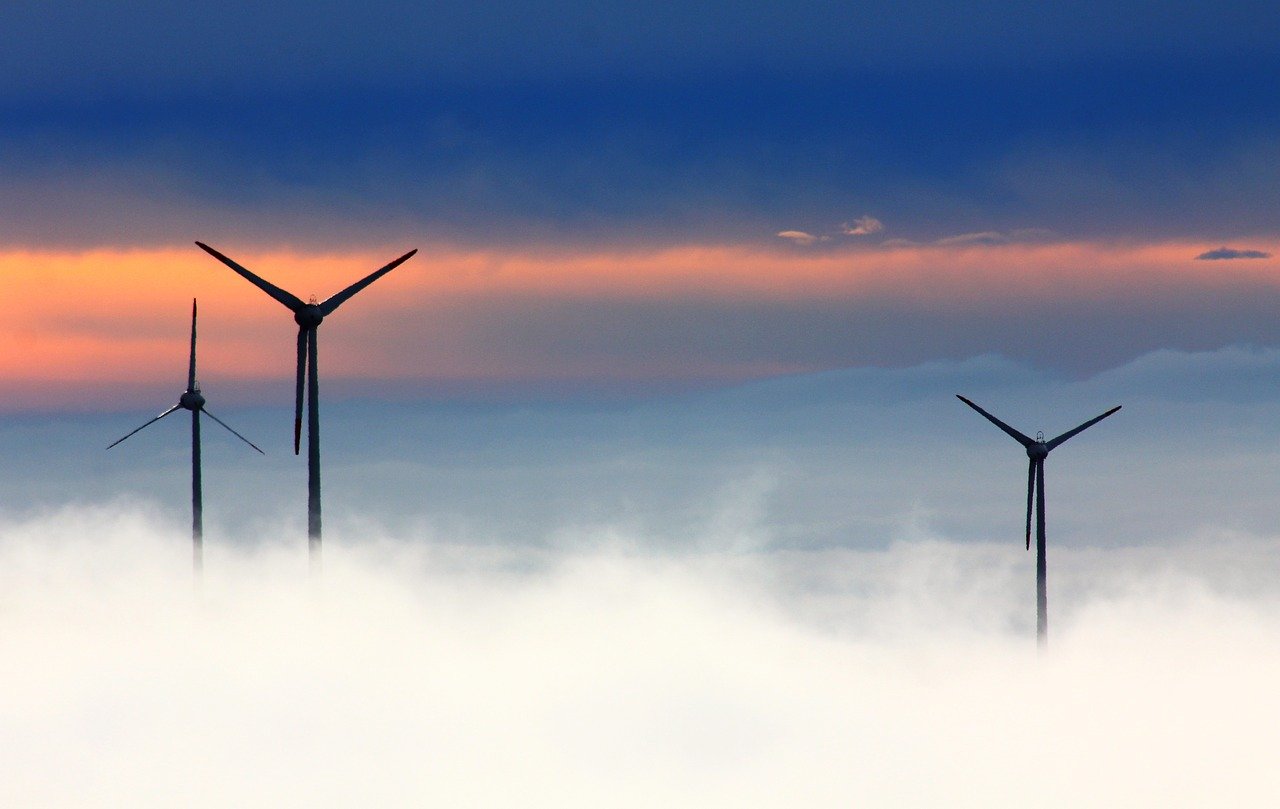
Dr. Mae-Wan Ho, in his presentation at Institute of Science in Society, London: http://www.i-sis.org.uk/PTTP100PCR.php: talked about the potency of renewable resources in the future. If followed and spent money on that instead of in nuclear technology, we can build much greener and safer world.







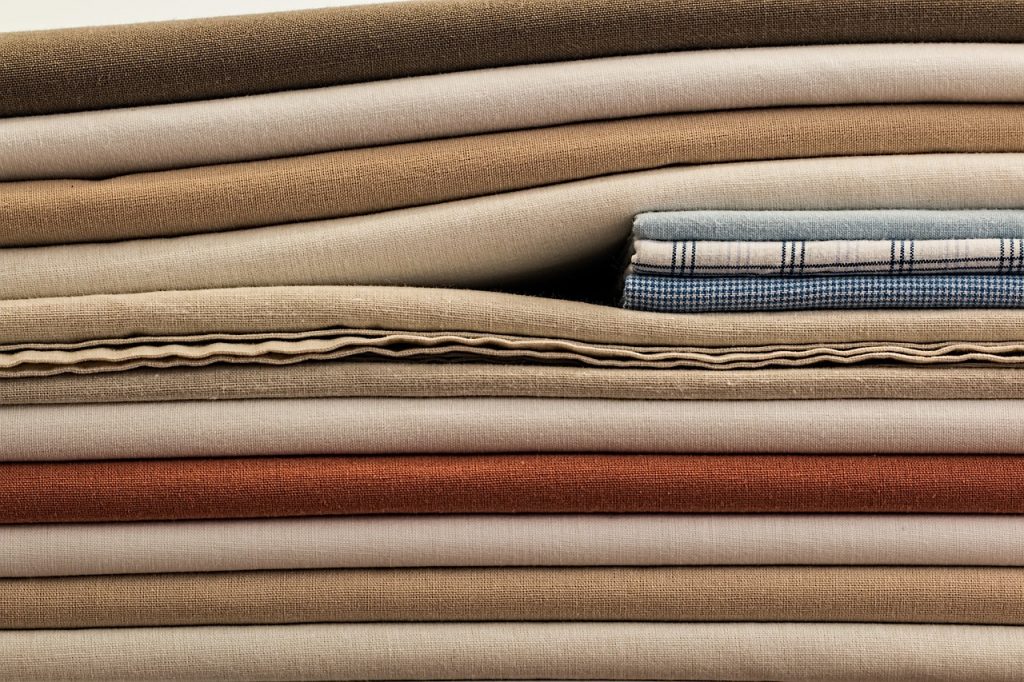
The once opulent and exclusive realm of luxury fashion is undergoing a dramatic transformation. Driven by a growing global consciousness about environmental impact, consumers are demanding more sustainable choices, even at the highest price points. This shift in consumer preferences is reshaping the industry, forcing luxury brands to reevaluate their production processes and material sourcing.
As a result, luxury eco-friendly collections are becoming increasingly sought after, and brands that prioritize sustainability are gaining a competitive edge.
Key Trends Shaping the Market
The luxury fashion market is experiencing a significant shift as sustainability becomes a core value for both brands and consumers. One of the most prominent trends is the rise of eco-friendly fashion that blend high-end design with ethical practices.
These collections are characterized by the use of sustainable materials, such as organic cotton, recycled fabrics, and innovative alternatives to traditional textiles. Brands are also focusing on reducing their environmental impact by adopting eco-friendly production methods, including water-saving technologies and carbon-neutral manufacturing processes.
Brands like Onibai are at the forefront of this movement, offering exquisite designs that not only cater to the aesthetic tastes of discerning customers, but also align with their values of sustainability. As consumers become more aware of the environmental and social implications of their purchases, they are increasingly seeking out brands that offer a blend of luxury and responsibility.
Consumer Demand Driving the Change
Consumer preferences are increasingly dictating the trajectory of the fashion industry. A growing emphasis on sustainability and ethical practices has empowered consumers to demand more from the brands they support. This shift in consumer behavior has led to a surge in demand for luxury eco-friendly products, forcing fashion houses to adapt their business models accordingly. This demand for transparency and ethical practices has compelled luxury brands to rethink their strategies and adopt more sustainable business models.
For example, a recent study by McKinsey & Company found that 66 % of global consumers are willing to pay more for sustainable products. This trend is particularly strong among millennials and Gen Z consumers, who are more likely to be environmentally conscious.
Leading the Way: Eco-Conscious Luxury Brands
Several luxury brands have emerged as leaders in the sustainable fashion movement, setting a precedent for the industry. Onibai, for instance, has distinguished itself with its commitment to sustainability, offering luxury eco-friendly collections that resonate with environmentally conscious consumers.
By prioritizing the use of organic materials, low-impact dyes, and fair labor practices, Onibai exemplifies how luxury can coexist with ethical responsibility.
The Future of Luxury Fashion
The rise of eco-conscious brands in the luxury market marks a significant turning point for the fashion industry. As more brands embrace sustainability, the definition of luxury is evolving to encompass not only quality and craftsmanship but also ethical responsibility. This shift is not just a passing trend; it represents the future of fashion, where consumers and brands alike recognize the importance of preserving our planet while enjoying the finer things in life.
In this new era of luxury fashion, eco-friendly collections like those offered by Onibai are leading the way, proving that sustainability is not a compromise but a new standard of excellence. As the demand for sustainable fashion continues to grow, the future of luxury will undoubtedly be defined by its commitment to eco-consciousness, ensuring that elegance and ethics go hand in hand.
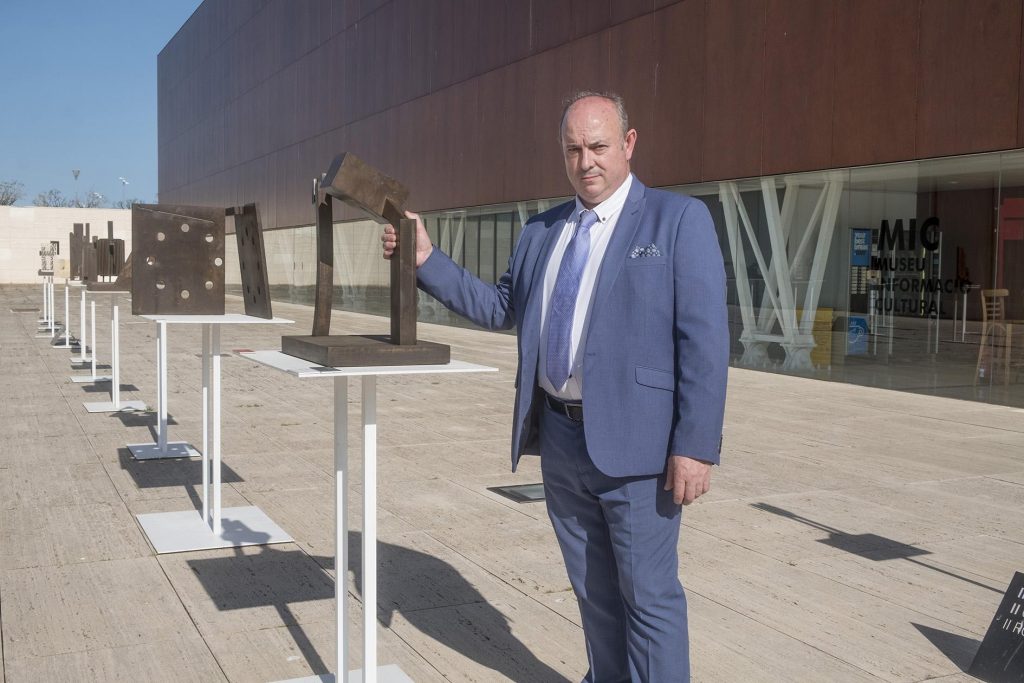
Frutos María Martínez, a self-taught visual artist, has been rescuing waste from the ocean’s waters for decades, turning it into beautiful and elegant artwork. Finishing his first painting and sculpture pieces at just fourteen, Frutos has spent his entire life guided by his passion for art. Becoming a professional artist in the mid-1980s after working at car dealerships, Frutos used his skills and expertise with metal to create sculptures and paintings, inspired by the materials he found along the Mediterranean Coast.
In his pieces, Frutos combines numerous medias to create sculptures, paintings, and collages. As part of his process, María spends time exploring the beaches and waters of Alicante, a Mediterranean city along the southeastern coast of Spain and his home since 1985.
Here, he has found all sorts of materials that have gone on to become pieces in his collections. Steel, iron, wood, nets, and textiles, among other objects, that Frutos salvaged from the ocean can all be found in his art.
By reusing and recycling these found objects, the artist is able to give new life to abandoned and forgotten waste. María recognizes the environmental issues we are facing at a global level, and his art seeks to raise awareness of these challenges. As his materials are pulled straight from the Mediterranean Sea, he is especially invested in taking care of marine life and our oceans. With each item the artist salvages from the ocean, one less piece of waste is polluting the waters.
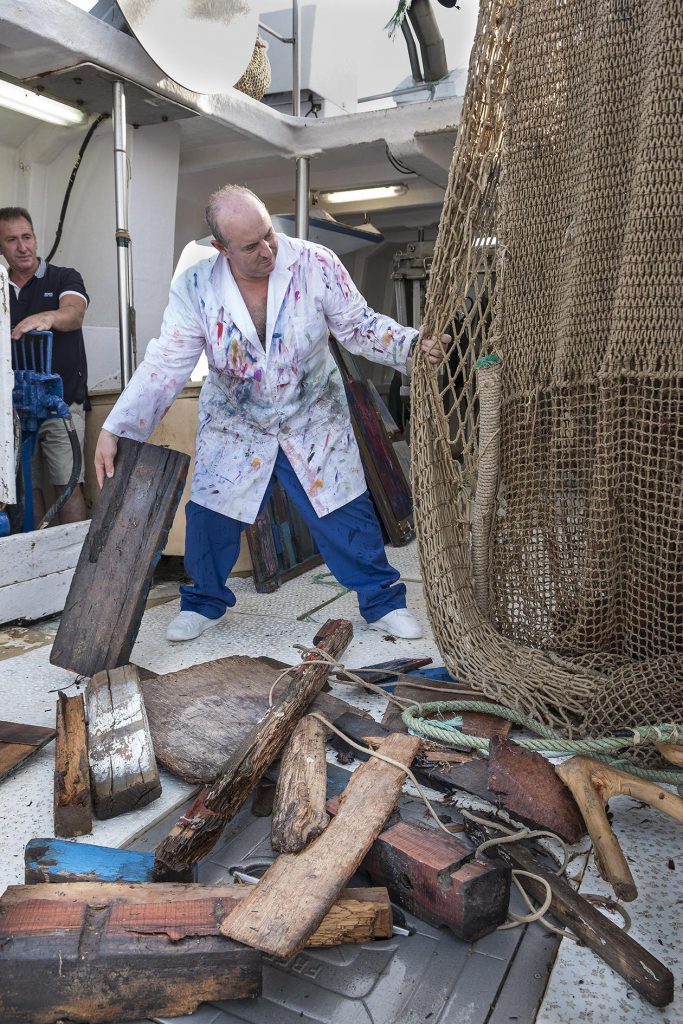
Once the flotsam is collected, Frutos returns to his workshop where he creates works of art in different forms. While other artists may send their work to be fabricated by others, María could not imagine his pieces being created in a place other than his studio. Here, he uses his innate skills with metal and machinery to forge and construct works of beauty. His sculptures follow hard lines, both straight and curved, and his paintings exude color. When making his collages, he takes his found mixed media and creates new stories. He adds paint to wood that was floating in the sea or combines various materials together, reimagining a life for objects that were once trash.
With a true passion for his work, he creates through intuition. He explains that there is a moment when his art becomes completely emotional and personal, “each piece is imbued with my experiences and emotion, all lumped together, all conveyed by means of materials, technique, design and imagination.” The works his hands awaken and renew are the convergence of his mastery and his spirit, bringing new life to discarded objects.These fascinating pieces have been shown in numerous exhibitions, most recently at the Museum of the University of Alicante. There, the artist presented Acero y pecios del mar (Steel and Sea Wrecks), where two collections were displayed jointly, one offering sculptures focused on steel as a material and the other called Nueva Vida, or New Life, a collection whose pieces were created by recycling materials salvaged from sea wreckage. With this collection, he introduced a new layer into his work, adding an element of chaos and destruction to the backstories of his materials.
An earlier exhibition, Janus, displayed over 40 of Frutos’ sculptures on the University of Alicante’s campus. This exhibit, named for the Roman god of doors, gates and transitions, was influenced by the duality of life, of beginnings and ends, and of old and new. While his finished pieces reflect this duality, the materials used to create them manifest this theme through their first death being revived into new life, a tangible and concrete example of the contrasting polarity he was inspired by.
As with his sculpture-centered exhibitions, his shows highlighting his paintings are full of found materials. Pieces that Frutos creates hang with the weight of rescued and recycled materials, such as rusty iron, steel, and wood. This media has been taken from the ocean and included in his art, conjoining with resin, sands, and paint in bold and striking colors.
Frutos María’s ability to not only find new meaning in recycled and salvaged objects, but to clean up the oceans and make the environment less polluted, translate through his moving pieces of artwork, and because of this, he has made a name for himself in the art world.
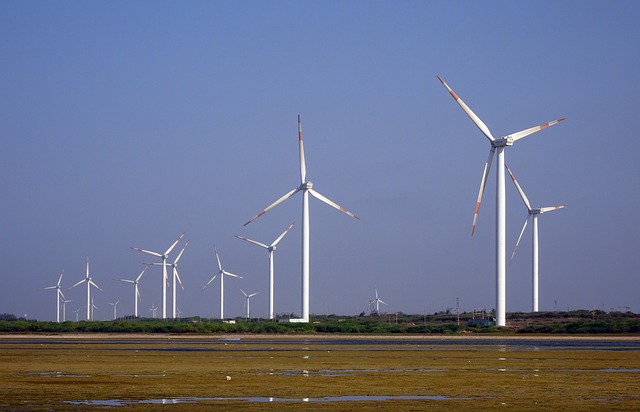
Over the last few years, wind energy has become the type of energy everyone can not stop talking about. This type of energy brings lots of benefits into the table when compared to more traditional sources of energy, like the energy proceeding from radiation or charcoal. Wind energy is cheap to produce, the most efficient renewable energy, and, most importantly, it is an ecological sensitive alternative.
Why should you invest in wind energy?
Wind energy is the energy of tomorrow. This type of energy made their big appearance during the XX century, when wind turbines would be used to bring energy to areas located far from the electricity grid, such as isolated farms, houses or factories.
During the XXI century, wind energy’s popularity kept on rising. Wind energy is as cheap to produce as traditional sources of energy, like radiation or charcoal burning, while falling into the category of renewable energies. This made wind energy become a top contender in the energy industry.
The wind industry’s future looks to be brighter than ever. The current generation is pretty aware of pollution and the effect it has on climate change. This has caused that governments all around the world start promoting new legislations and campaigns promoting renewable energy and, since wind energy is the most efficient type of renewable energy, it is expected that it will become the main source of energy by 2030. Now is the best moment to jump into the wind energy trend!
Making sure you set up an efficient wind farm
As it has been previously stated, wind energy is definitely an option you should consider if you are looking to power up any of your properties or business. However, setting up a wind farm isn’t a small investment, therefore, before starting this process we need to gather all the information we can about its viability. That is why we can not stop recommending that you consult with professional companies like Vortex FDC.
Vortex FDC is a company that has made a name for itself in the wind industry sector. Vortex assists their customers with all the information regarding wind resource they could need.
For example, an important factor we need to consider before setting our wind farm is the terrain. Not all terrains are appropriate to locate a wind farm, therefore, the terrain would need to be assessed before an installation that could result in a waste of assets if the terrain is not appropriate for it. Vortex FDC helps their customers evaluate where the wind farm is going to be placed, and providing information about the wind to choose the type of turbines that would yield better results in that area. Factors like the type of wind (extreme winds, turbulences, etc) or the temperature need to be taken into account when deciding which type of turbine would be more suitable for our wind farm. For example, if we plan to build a wind farm in an area that gets freezing and snowy in winter, we would need to get a turbine system that is cold resistant.
Vortex FDC runs a numerical weather model to feature all the variables that could affect the production levels of your wind farm, regardless of it being situated off-shore or in-shore. Thanks to their always up-to-date technology, you will be able to avoid unpleasant surprises regarding the energy production of your wind farm.
Overall, opting to use wind energy is an amazing idea that will benefit not only our budget, but also the planet. But, in order to do so, we need to make sure that wind farms are viable, and for that, we need to rely on professionals like Vortex FDC.
Test
Industrial masking products improve surface finishing

Recent Books by Boaventura de Sousa Santos: Law, Colonialism, and the Future of Europe

Travel wellness tips for a healthier and more enjoyable journey
