
Travel
Spain, Everything Under the Sun – Barcelona

Barcelona, also famous as Barcino during Roman time, has a rich history dating back at least 2,000 years when it gained prominence as a Roman town. It is the second largest city in Spain and 48th most densely populated city in the world. Situated on the plains, which rise gradually from the sea to a range of wooded hills, Barcelona is Spain’s most cosmopolitan city. You will always find restaurants and bars packed and beach crowded.
After completing my trip to Lisbon to celebrate my Portuguese holidays, a visit to Barcelona seemed like its continuity. The core center of town, focused around the Ciutat Vella provides days of enjoyment for those looking to experience the life of Barcelona, while the beaches the city was built upon provide sun and relaxation during the long periods of agreeably warm weather.
From Portugal to Madrid, to Ibiza and now to Barcelona, my journey has been really long but there is something in the air which makes me want to see more around. I took a ferry from Ibiza to Barcelona, I wanted to see the port of the city, as it is known as one of the busiest ports in the Mediterranean.
Reaching here you will realize the town speaks a totally different language, Catalan. It is very much dissimilar to Spanish, but close to Italian, Portuguese and French in some ways. That’s why a proud Barcelona guy will say it is not a dialect but a different language. Most signs are indicated only in Catalan, announcements in the Metro train are also made in Catalan.
I don’t think I have ever been to so many beaches in such a short time. Though I am not bored yet, but still I wished to see something towards the inland and so I decided to visit Parc de Guell.
It was a bit out of the way from other sites in the city, but the trek is worth it. Park Guell is another venture of Antonio Gaudi and, in fact, he lived in one of the two homes that got completed. The intent of Eusebi Guell, the owner of the land, was to have 60 homes developed. Gaudi developed the serene park between 1910-14, as part of the motif to entice people to live here. Eventually, the park that was intended to replicate an English garden became a visiting place for the locals to get away from the grime and crowded city center.
 |
| Park Guell, Image taken by Johannes Breunig |
There are a variety of shapes and designs throughout the park, beginning with the sitting arena with thousands of mosaics imbedded into the concrete, the irregular and rough terrace walls and bird nests appearance, columns holding up an upper portion, and winding road 7 trails to the top. The mountain used to be flat on top, and it is now simply a place for bench rest. It is about half a mile from the main entry to the top. Entry to the park is free, but the fees for the small museum is 2 Euro.
Another wonderful attraction was the Las Ramblas, the street that certainly is the heart of Barcelona. It is a lovely tree lined pedestrian walkway that extends 1.2kms from the Placa de Catalunya down to the Christopher Columbus statue at the port.
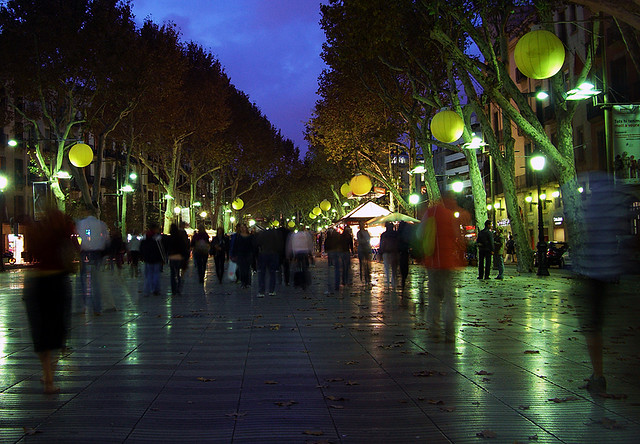 |
| Las Ramblas, photo taken by Juan Salmoral |
Barcelona’s most famous avenue, la Rambla, is also its liveliest. The centre part of this tree-lined avenue is pedestrianised, allowing for cafés, kiosks, mimes, florists, tourists and pickpockets alike to take advantage and to keep this circus-like thoroughfare busy around the clock. The avenue officially runs from the Mediterranean shore all the way up through Eixample to Avinguda Diagonal. However, the most celebrated section of la Rambla is the lower part, starting from Plaça de Catalunya to the port. Numerous historic buildings line la Rambla, which trace the shape an old filled river bed. In fact, the avenue’s name is derived from the Arabic world ramla which refers to the sand in a dry seasonal river bed. Over time, the river bed was filled to become what we see today. Along this part of la Rambla is also some creative architecture as well as a few famous old-world shops with Art Nouveau details.
If you are in Barcelona, and even if you have seen all the beaches, shopped from all the shops, ate in all the restaurants, you haven’t seen Barcelona if you haven’t visited Nou Camp Stadium.
Even if you’re just a little bit interested in soccer, then you should take the trip to the Nou Camp stadium and visit the museum of the FC Barcelona. It was good to see their cups, medals and photos. There was a section on the history of the club with all the sports they play, not only soccer but also FC Barcelona basket ball and rugby.
 |
| Nou Camp Stadium, photo taken by Sam Hancock |
Another section showcased the famous players of the team, their shoes and jersey. I could see the jersey of the legendary Bernd Schuster and Diego Maradona. What I really liked in FC Barcelona museum was the old soccer memorabilia – an old ticket booth, the dressing room, a sports pub, old soccer magazines, board games, balls and other equipments. The best of all is of course the view from the president’s seat in the stadium. When you look at the stadium from his seat, the only word that came into my mind was ‘magnificent’! You could see how huge the stadium was. The stadium has an exciting atmosphere even with nobody but a few visitors around. It gives you the shivers thinking about 100,000 FC Barcelona supporters singing and cheering and just 22 guys playing on the pitch.
 |
| Nou Camp Stadium Dressing Room, photo taken by Will Palmer |
If you have seen this stadium and if you are also a fan of Barcelona, then I am sure your trip to Barcelona will start from Nou Camp and end at Nou Camp. Same was the feeling for me. It felt as if I have seen everything. But as I told you, Barcelona is not just about Soccer. Watch this space or subscribe to my feed to follow me to different places I go.








Exploring the world is an enriching experience that rejuvenates the mind and expands horizons. However, travelling often disrupts routines and introduces the body and skin to unfamiliar conditions. These changes—ranging from climate shifts to varying hygiene standards—can impact overall wellbeing if not managed properly. By preparing ahead and making wellness a priority, travellers can ensure each journey is not only memorable but also beneficial for their health.
From leisure escapes to business trips, the key to an enjoyable and balanced travel experience lies in mindful habits. Incorporating health-conscious practices and personalised care into travel plans helps avoid fatigue, skin issues, and stress. Whether discovering a new city, relaxing by the sea, or hiking through nature, staying well enhances every moment away from home.
Wellness preparation before you travel
Adapting to a new destination starts long before you arrive. Preparing your body and mind for travel can prevent common issues like jet lag, dehydration, or skin irritation.
Maintain a balanced routine in the days prior
In the lead-up to a trip, it’s essential to prioritise sleep, hydration, and a nutrient-rich diet. These fundamentals support the immune system and energy levels, especially when facing long-haul flights or rapid time zone changes. Avoiding alcohol and caffeine in the 48 hours before departure also helps ensure better rest and minimises dehydration.
Customise your travel wellness kit
Packing smart can make a significant difference. Include hand sanitiser, rehydration sachets, supplements, and any medications you may need. For relaxation, tools like eye masks, earplugs, or a neck pillow offer comfort during transit.
When it comes to day access to high-quality wellness facilities such as pools or spas, platforms like Daypass.com offer a flexible and convenient solution. It allows travellers to enjoy exclusive amenities at hotels worldwide without needing to book a room, ensuring comfort and luxury wherever they go.
Healthy skincare habits while travelling
The skin is one of the most affected organs during travel, particularly due to climate changes, dry cabin air, and environmental stressors. A personalised approach to skincare makes a noticeable difference.
Why personalized skincare matters when you travel
Switching time zones and environments often exposes the skin to unfamiliar conditions:
- Tropical climates may increase oil production and cause breakouts.
- Cold destinations tend to dry out the skin, leading to flaking or redness.
- Urban areas expose travellers to pollution and oxidative stress.
In such cases, a standard skincare routine might fall short. By embracing personalized skincare, travellers can adjust their routines based on real-time skin needs.
How to build a personalized travel skincare routine
A travel-specific routine ensures skin health regardless of destination. Key steps include:
- Using analysis tools pre-trip to determine what your skin needs.
- Packing light, with TSA-approved containers of tailored products.
- Adjusting for climate, whether that means adding hydrating serums or reducing heavy creams.
- Sticking to essentials, to avoid carrying excessive items that don’t serve your current needs.
This not only simplifies packing but also enhances skin resilience during the trip.
Staying active without compromising comfort
Travel can involve long hours of sitting, which leads to fatigue and stiffness. Integrating movement and active wellness practices is key to maintaining energy levels and mood.
Utilise facilities and outdoor options
Staying active doesn’t require a full gym. Many travellers now seek hotels or day-access facilities that offer pools, fitness centres, or yoga studios. In cities and coastal towns, walking or cycling tours provide both physical activity and sightseeing benefits.
Those with short layovers or who are only passing through a city can take advantage of platforms such as Daypass, which connect users to premium hotel amenities, including gyms and wellness centres, without requiring overnight stays. This enables consistent physical care no matter the schedule.
Nutrition and hydration tips for on-the-go wellness
Eating well on the road can be challenging, especially with irregular schedules or unfamiliar cuisines. However, mindful choices support digestion, energy and immune function.
Smart food and drink habits
Travellers should aim to:
- Stay hydrated, especially during flights where humidity is low.
- Avoid processed snacks, and instead opt for fresh, whole foods.
- Moderate alcohol and caffeine, which dehydrate the body and disrupt sleep.
- Try local cuisine while being cautious of hygiene and food safety practices.
Meal planning apps and local food guides can also help identify healthy dining options.
Relaxation and stress management on the move
A peaceful state of mind contributes greatly to a rewarding travel experience. Unexpected delays or cultural differences can cause tension, so mental wellness practices are just as crucial as physical care.
Incorporate moments of calm
Breathing techniques, short meditations, or stretching sessions can be done anywhere—from airport lounges to hotel rooms. Spa treatments, nature walks, and quiet evenings with a book are simple yet effective ways to recharge.
Some destinations also offer luxury ground transport options that enhance the comfort of getting from one place to another. Choosing a Denver Limousine Service, for example, allows travellers to move through a city in a serene and elegant setting, turning travel time into a restful part of the journey rather than a source of stress.
Beauty tourism and the rise of wellness travel
Travel and wellness are increasingly intertwined, with more people seeking rejuvenation on the go. This includes everything from spa retreats to aesthetic treatments and custom skincare sessions.
Wellness as a travel objective
Many travellers are incorporating beauty and self-care into their itineraries. Popular options include:
- Thermal spas and natural hot springs.
- Detox retreats in the countryside or tropical locations.
- Skincare consultations in cities known for cosmetic expertise.
This growing interest in combining holidays with self-improvement reflects a broader movement towards holistic travel, where physical, emotional, and aesthetic wellbeing are all addressed simultaneously.

Travelling between San Antonio, Texas, and Guadalajara, Mexico, offers an exciting opportunity to explore two culturally rich and historically significant destinations. Whether you’re drawn by the colonial architecture, vibrant food scenes, or deep-rooted traditions, these two cities provide a unique blend of experiences. The journey is convenient and rewarding, allowing travellers to immerse themselves in a mix of Texan and Mexican heritage. With plenty of options for flights, planning a trip between these dynamic cities has never been easier.
Why San Antonio and Guadalajara?
San Antonio is renowned for its blend of Spanish, Mexican, and Texan influences. The city is home to iconic sites such as the Alamo and the picturesque River Walk, offering a captivating historical backdrop alongside modern attractions. Visitors can explore lively markets, sample world-famous Tex-Mex cuisine, and enjoy the warm hospitality that makes this city so inviting.
On the other hand, Guadalajara, known as the cultural heart of Mexico, boasts a rich artistic heritage, stunning colonial architecture, and a thriving music scene. This city is the birthplace of mariachi music and tequila, making it a must-visit destination for travellers looking to experience authentic Mexican culture. The historic centre, with its majestic plazas and cathedrals, offers a glimpse into Mexico’s colonial past, while the modern districts provide vibrant nightlife and culinary delights.
Flying between these two cities is a seamless experience, making it easy to embark on an unforgettable journey that showcases the best of both destinations.
Best time to visit
The ideal time to visit depends on what you hope to experience in each city. If you’re planning your trip based on budget, it’s advisable to book cheap flights from San Antonio to Guadalajara in advance to secure the best deals and availability.
- Winter (December – February): This is a great time to visit both cities. San Antonio enjoys mild winters, making it perfect for strolling along the River Walk adorned with festive lights. Meanwhile, Guadalajara’s pleasant weather makes it ideal for outdoor exploration and cultural festivals.
- Spring (March – May): Spring brings blooming landscapes and pleasant temperatures in San Antonio, making it a fantastic time to explore the city’s missions and parks. Guadalajara also enjoys warm temperatures and fewer crowds during this season.
- Summer (June – August): While summers in San Antonio can be hot, this is a great time for water-based activities such as tubing on the Guadalupe River. Guadalajara experiences some rainfall but remains lively with events and lush greenery.
- Autumn (September – November): Autumn is particularly special in both cities. San Antonio hosts Día de los Muertos celebrations, while Guadalajara comes alive with Mexico’s Independence Day festivities and the Día de los Muertos traditions.
Things to do in San Antonio and Guadalajara
San Antonio
Explore the Alamo and the Missions
No trip to San Antonio is complete without a visit to the historic Alamo, one of the most famous landmarks in Texas. The San Antonio Missions National Historical Park also offers a deeper look into the city’s Spanish colonial past.
Stroll along the River Walk
The San Antonio River Walk is a must-visit, featuring charming waterways, restaurants, and cultural attractions. Visitors can take a scenic boat ride or simply enjoy a leisurely stroll along the vibrant paths.
Visit the historic Market Square
For an authentic Tex-Mex experience, Market Square offers delicious food, unique crafts, and lively entertainment. This is a great place to immerse yourself in the city’s Mexican heritage.
Enjoy the culinary scene
San Antonio is a paradise for food lovers, offering classic Tex-Mex cuisine, authentic barbecue, and innovative culinary creations. Be sure to try puffy tacos, a local specialty that can’t be found anywhere else.
Guadalajara
Explore the historic centre
The city’s historic centre is home to stunning colonial-era buildings, including the Guadalajara Cathedral, the Instituto Cultural Cabañas, and the Plaza de Armas. Walking through this area allows visitors to admire the intricate architecture and soak in the city’s vibrant atmosphere.
Visit Tlaquepaque and Tonalá
For those interested in arts and crafts, a trip to Tlaquepaque and Tonalá is essential. These neighbouring towns are famous for their traditional pottery, textiles, and hand-painted ceramics, making them perfect for souvenir shopping and cultural immersion.
Experience Tequila Country
No trip to Guadalajara is complete without a visit to Tequila, the birthplace of Mexico’s most famous spirit. Travellers can tour agave fields, visit distilleries, and sample authentic tequila while learning about the drink’s production process.
Enjoy local cuisine
Guadalajara offers an incredible food scene that highlights traditional Jalisco flavours. Must-try dishes include birria (a spicy, slow-cooked meat stew), torta ahogada (a pork sandwich drenched in spicy sauce), and pozole (a hominy stew). Pairing these with a refreshing agua fresca or a local tequila-based cocktail enhances the dining experience.
Travel tips for a perfect trip
Book flights early
To get the best deals on airfare, it’s advisable to book flights well in advance. Searching for discounts and comparing prices can help travellers find budget-friendly options.
Choose accommodation wisely
Both San Antonio and Guadalajara offer a variety of accommodation options, from luxury hotels to charming boutique stays. Staying near San Antonio’s River Walk or Guadalajara’s historic centre provides easy access to major attractions.
Learn basic Spanish phrases
While many locals in both cities speak English, knowing a few basic Spanish phrases can enhance your travel experience and help with navigation, ordering food, and interacting with locals.
Use public transport
San Antonio has a well-connected public transportation system, including buses and river taxis. Guadalajara’s public transportation is also affordable and efficient, making it easy to get around the city without renting a car.
Pack accordingly
Depending on the season, it’s important to pack light and breathable clothing for warm months or a light jacket for the cooler evenings. Comfortable walking shoes are also recommended for exploring the cities’ streets and attractions.
Respect Local Customs
Both San Antonio and Guadalajara are known for their warm hospitality. Simple gestures such as greeting people with a friendly “Buenos días” and showing appreciation for local cuisine and music contribute to a positive travel experience.
Exploring extraordinary places and having unique experiences are pleasures everyone wants to enjoy. There are many wonderful places to visit around the world, accessible with the right preparation and proper support. These destinations offer exceptional tourist services, are within your reach, and are waiting for you to discover them!
Travelling is one of the most enriching experiences a person can have. It allows you to discover new cultures, stunning landscapes, and moments that remain etched in your memory forever. If you are planning your holidays or a delightful weekend getaway with your partner, family, or friends, you’re surely considering all the options available to you. There are many excellent tourist destinations worth visiting.
Exploring unique destinations like the beaches of Tenerife, luxury villas in Sardinia, and The Mora Resort in Zanzibar are wonderful options to consider—not only for the breathtaking views but also for the high-quality services you’ll find there.
The unforgettable beaches of Tenerife
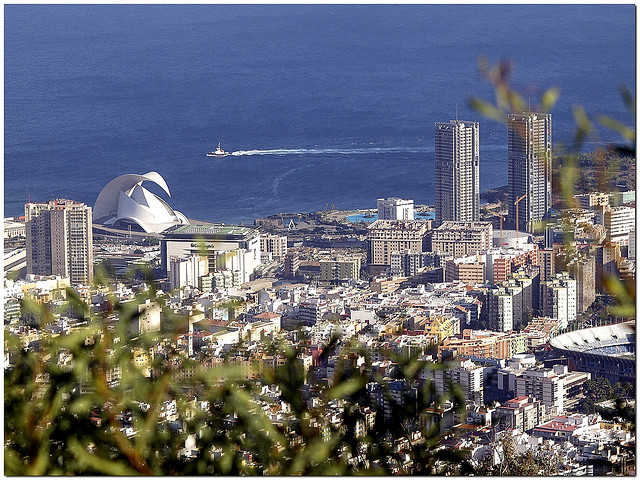
Tenerife, the largest of the Canary Islands, is famous for its extraordinary golden and black sand beaches, formed by volcanic activity. It’s a paradise for sun and sea lovers, as well as those seeking adventure and water activities. From surfing at Playa de las Americas to diving in the crystal-clear waters of Los Cristianos, Tenerife offers a wide range of experiences to suit all tastes.
There are some Good Tenerife beaches that you’re sure to fall in love with as soon as you arrive. All you need to do is plan well, check your possible routes, and, for added convenience, hire the services of a reliable taxi agency to take you across this coastal haven.
With access to transportation, you can visit any of the wonderful and paradisiacal beaches in this magnificent corner of the world. Simply coordinate the itinerary with the taxi you hire and get ready to enjoy one of the best experiences of your life—it’s certain to be a great help.
Luxury villas in Sardinia
Sardinia, an Italian island in the Mediterranean, is known for its stunning landscapes and exclusivity. The villas Sardinia offer a unique accommodation experience, combining modern comfort with the island’s natural beauty. These luxury villas, many located on the famous Smeralda coast, boast panoramic sea views, private pools, and direct access to private beaches.
These villas are the favourite spot for affluent individuals seeking tranquillity, beauty, comfort, and adventure all in one place, where you can spend unforgettable days surrounded by opulence in a setting full of style and sophistication—everything you deserve on your holiday.
To find the villa you want, it is advisable to seek the help of a good estate agency to assist you in finding a rental property for your holiday. Fortunately, there are excellent options for luxury villas in Sardinia that you can check out on the recommended portal and book straight away to ensure your perfect holiday spot.
The Mora Resort in Zanzibar
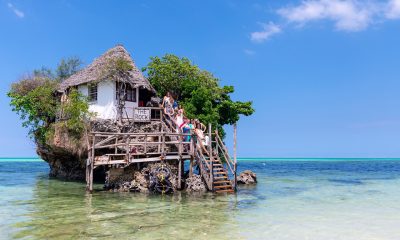
Zanzibar, an archipelago off the coast of Tanzania, is renowned for its beautiful white sand beaches and crystal-clear waters. The Mora Resort, located right on one of its most stunning beaches, offers luxurious experiences and relaxation in a paradisiacal setting. This resort blends traditional Zanzibar architecture with modern amenities, set in a unique and welcoming environment.
Guests can enjoy activities such as snorkelling, diving, and boat trips, while exploring the rich marine life and coral reefs of the area. In addition, the resort offers spa and wellness treatments, allowing visitors to relax and rejuvenate in a tranquil and beautiful setting. The cuisine at this resort is another highlight. Its restaurants offer exquisite fusions of local and international flavours, using fresh, high-quality ingredients.
If you’re looking for an unforgettable holiday, Zanzibar is an excellent option, and The Mora offers an unforgettable stay to make your trip even more special.
In conclusion, whether you’re seeking relaxation on the golden sands of Tenerife, indulging in the luxury of Sardinia’s villas, or immersing yourself in the paradise of Zanzibar’s The Mora Resort, these exceptional destinations promise unforgettable experiences. With the right preparation, each journey will leave you with lasting memories, making your travels truly extraordinary.
Test
Industrial masking products improve surface finishing

Recent Books by Boaventura de Sousa Santos: Law, Colonialism, and the Future of Europe
Travel wellness tips for a healthier and more enjoyable journey
